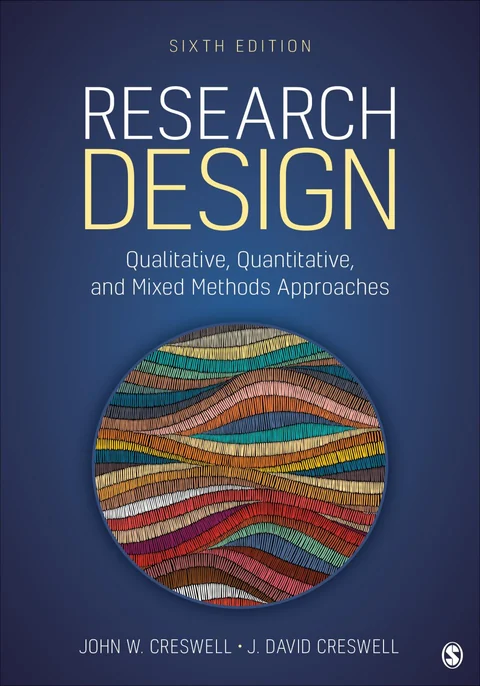
A proposal is rarely improved by making its methods more complicated. The more fundamental problems are an overbroad question, objectives that do not lead to an answer, and a theory section that lists authors without explaining relationships.
Many quantitative dissertations begin their methodology chapter with “this study adopts positivism” and never return to the statement. A philosophy section matters only when it explains your choice of question, evidence and analytical methods.
The central design problem is rarely choosing a survey instead of a case study. It is asking “why” when the design can only describe “how many”, or collecting data once and then claiming to explain change over time.
An apparently harmless online questionnaire can collect names, email addresses, workplaces and sensitive answers. Research ethics concerns how these data and the people behind them are treated from topic selection to the final report.
A single letter separates these terms, but they imply different evidential responsibilities. An English scale translated for a Vietnamese survey will generally be described as adapted, and the methods chapter should make that process explicit.
Most theses do not need a new scale. When a new measure is justified, development involves three phases and nine steps, from defining the construct to validating it in an independent sample. An omitted step is likely to attract questions at the defence.
Sample size is more than a calculation. It depends on whether a sampling frame exists, the population to which conclusions should apply, expected response and the observations required by the analysis. This article works through those decisions using chapter 7 of Saunders et al.
An existing dataset can save months of collection, but it was created for somebody else's question. Your task is to show that its measures, coverage and quality are suitable for yours.
Twenty studies described one by one, in chronological order, do not yet form an argument. A literature review should compare evidence, evaluate disagreements, identify what remains unanswered and lead directly to your question.
Software can return a number even when the calculation is inappropriate. Selecting a suitable test begins with identifying data types and checking the data matrix before running the analysis.
Readers should be able to identify your question, methods, findings and contribution without struggling through inflated prose. Short, clear sentences and enough statistical detail to assess the analysis serve a dissertation better than unnecessary length.