

Le Minh data service would like to introduce to you the book Handbook of Structural Equation Modeling.
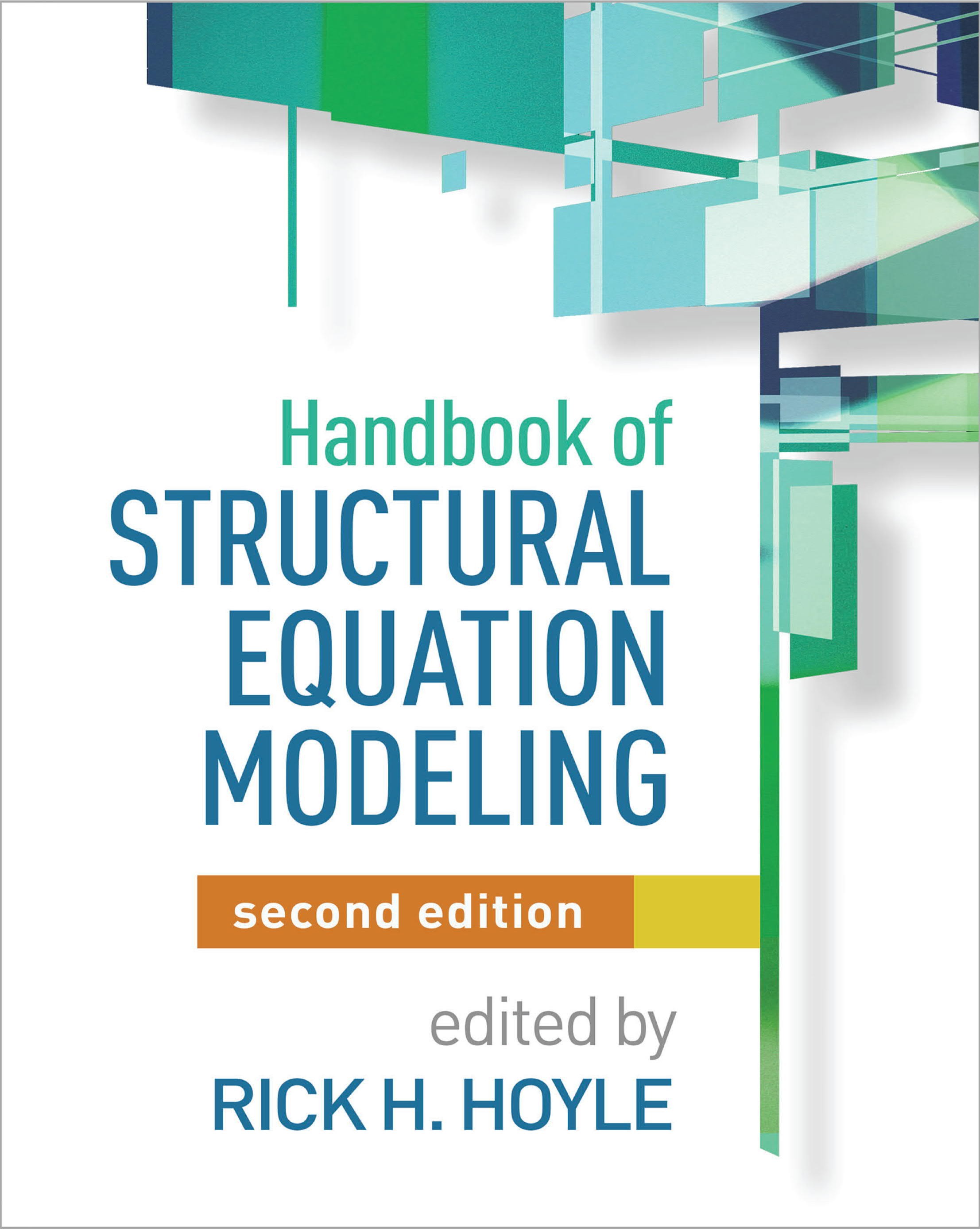
Rick H. Hoyle’s Handbook of Structural Equation Modeling, published by The Guilford Press, is an important reference in the field of structural equation modeling. The book focuses on explanations and instructions on structural equation modeling (SEM) from basic to advanced aspects.
Here are some details about the book:
Author: The book is written by Rick H. Hoyle, a leading expert in the field of SEM. Mr. Hoyle is a professor of psychology and methodology at Duke University and has done many excellent research projects on SEM.
Content: The book consists of a series of logically organized chapters, providing a comprehensive view of SEM. Main topics include:
- Introduction to SEM: The book explains the basic concepts and theories related to SEM, providing an overview of the field.
- Model building process: The book provides detailed instructions on identifying variables, determining relationships between variables, and determining model structure.
- Data analysis and parameter estimation: The book presents data analysis and parameter estimation methods in SEM, including the MLE (Maximum Likelihood Estimation) method.
- Model evaluation: The book covers methods for evaluating model quality, testing the model’s fit to the data, and determining the model’s level of explanation.
- Extension and application of SEM: The book introduces extended methods of SEM such as quantitative modeling (latent variable modeling), qualitative modeling (categorical data modeling), and hierarchical modeling (multilevel modeling). ). The book also covers the applications of SEM in many different fields such as psychology, education, economics, and sociology.
With its detail and breadth, Rick H. Hoyle’s Handbook of Structural Equation Modeling can serve as a valuable reference for researchers, instructors, and students interested in the field of SEM. and data analysis.